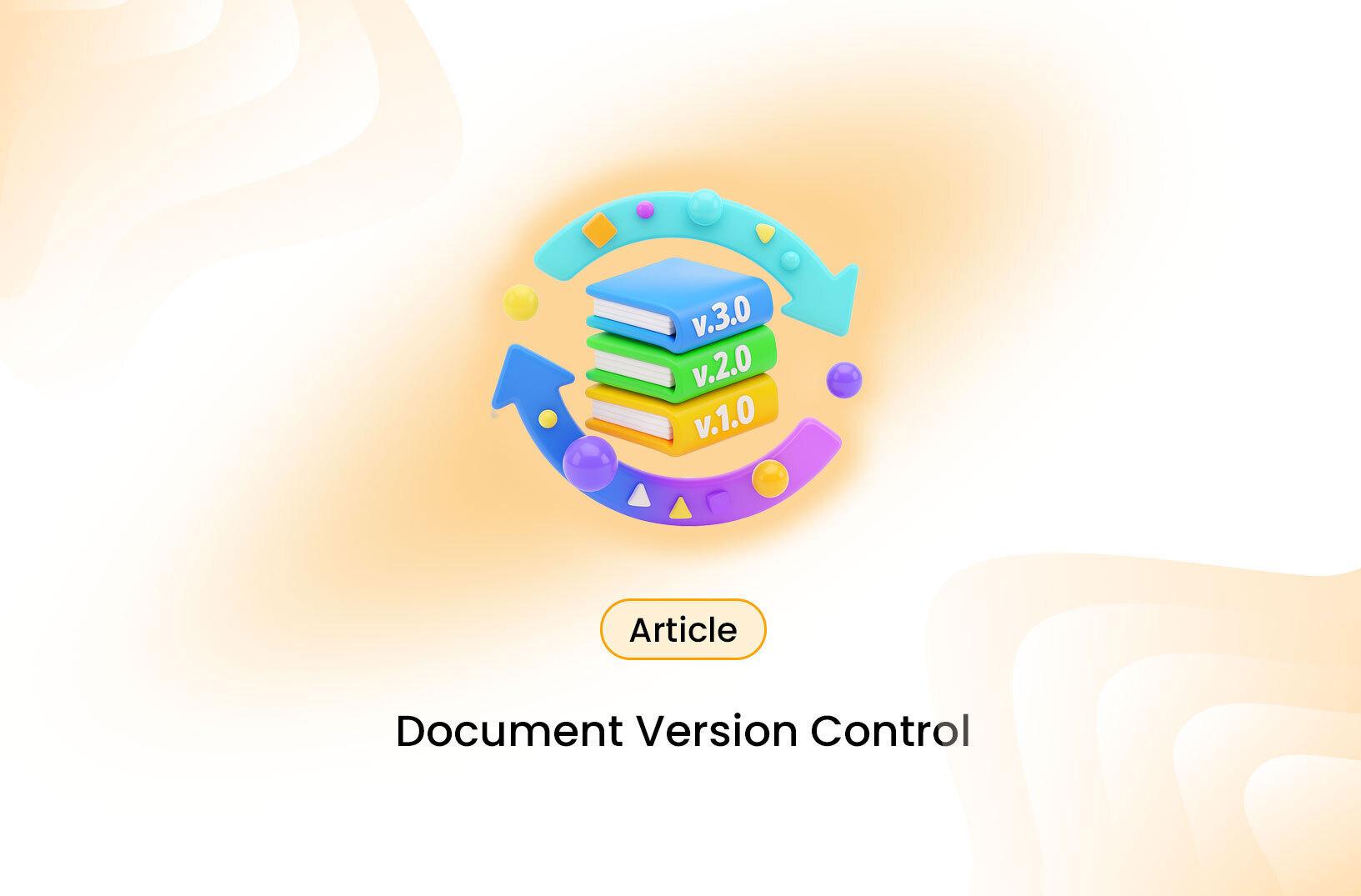
What Is Document Version Control?
Document version control is the structured way of tracking revisions, edits, and updates to a document over time. It ensures everyone works from the correct version while maintaining a complete history of changes for accountability and compliance.
Why Version Control Matters
- Prevents Confusion – Avoids mix-ups like editing “final_v5_revised_FINAL.docx.”
- Improves Collaboration – Ensures team members always access the latest approved draft.
- Supports Compliance & Audits – Keeps a historical record of changes for legal and regulatory purposes.
- Enhances Accountability – Tracks who made what change and when.
Common Challenges Without Version Control
- Duplicate Files – Multiple “final” versions cause wasted time and errors.
- Loss of Critical Changes – Overwrites without a record can lose important edits.
- Audit Failures – Missing version history complicates compliance reviews.
- Reduced Productivity – Teams spend more time reconciling versions than improving content.
Best Practices for Document Version Control
- Set Clear Naming Conventions – e.g.,
ProjectName_v1.0instead of vague “new draft.” - Differentiate Major & Minor Versions – Use numbering (v1.1 = small edits, v2.0 = big revisions).
- Maintain a Version History Table – Include author, date, and summary of changes in each document.
- Centralized Storage – Use a shared repository so the “source of truth” is always accessible.
- Archive Old Versions – Keep them available but clearly marked as outdated.
- Define Access & Permissions – Control who can edit vs. who can only view.
- Review & Train Regularly – Ensure all contributors follow the same rules consistently.
Conclusion
Strong document version control keeps teams aligned, prevents costly mistakes, and safeguards compliance. By adopting simple conventions and disciplined practices, you create clarity, efficiency, and accountability in every stage of your documentation lifecycle.